
There are few roadside frustrations worse than turning your key or pressing the start button only to hear a rapid clicking sound, followed by complete silence. Car batteries rarely fail without warning, yet millions of drivers find themselves stranded in parking lots, driveways, or along highways every year due to sudden battery failure.
Modern vehicles are packed with sophisticated electronics—from touchscreens and GPS systems to active safety sensors—putting more demand on your 12V battery than ever before. Extreme temperatures in both summer heat and winter freezes further accelerate internal chemical degradation.
Recognizing the early warning signs of a weak battery allows you to address the issue on your own schedule rather than waiting for an unexpected breakdown. Here are the 5 main indicators that your car battery is on its last legs and how to safeguard against getting stranded.
1. Slow Engine Crank or Delayed Startup
When you turn the ignition, does your engine sound sluggish, turning over slower than normal before finally starting? A healthy battery delivers a high initial surge of cranking power (measured in Cold Cranking Amps) to spin the starter motor rapidly.
As internal lead plates sulphate and chemical capacity declines, the battery struggles to supply that burst of current. If your starter motor sounds strained or takes several seconds longer to fire up, your battery’s life reserve is critically low.
2. Dim Headlights and Electrical Glitches
Because your 12V battery powers all vehicle electronics when the engine is off or idling, low battery health manifests across your cabin features:
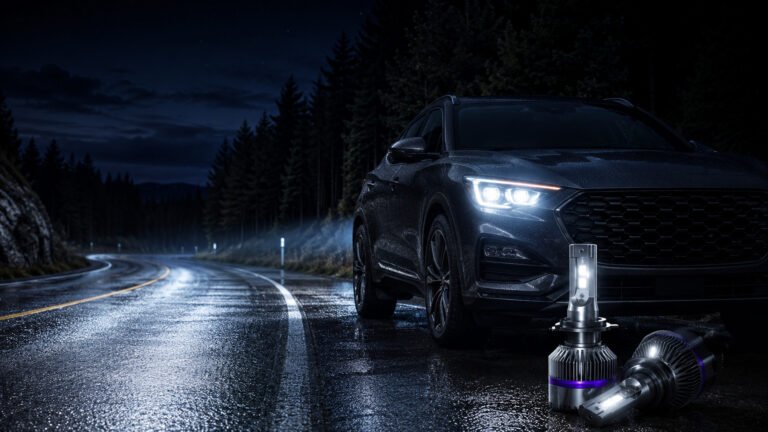
- Flickering or Dim Headlights: Headlights appear yellow or lose brightness when idling at traffic lights.
- Sluggish Power Windows: Window motors roll up significantly slower than usual.
- Infotainment Restarts: Central screens or digital instrument clusters reset spontaneously during engine ignition.
If turning on your radio, seat heaters, or headlights causes interior dashboard lights to dim noticeably, your battery can no longer hold a stable system voltage.
3. Click-Click-Click Sound Upon Ignition
Hearing a sharp, rapid clicking noise when attempting to start your car is a classic sign of an undercharged or failing battery. This sound occurs when there is just enough electrical current to activate the starter solenoid relay, but not enough power to spin the starter motor itself.
If you hear rapid clicking followed by complete power loss in your cabin, your battery voltage has dropped below the threshold required for ignition.
Shop 1Auto.club: Be prepared for sudden power loss anywhere with our Emergency Car Battery Jump Starters & Portable Power Banks.
4. Swollen Battery Case or Corroded Terminals
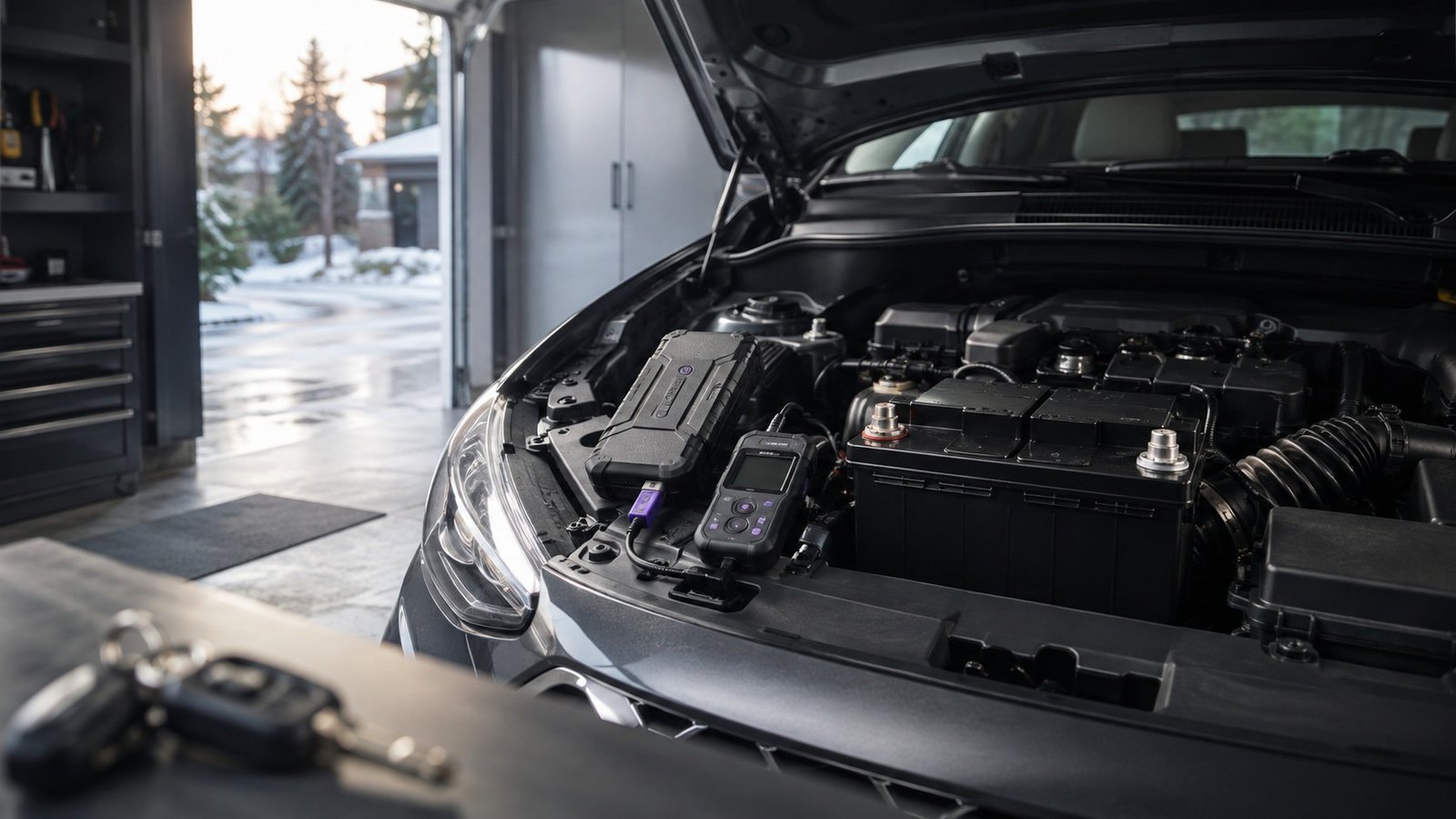
A visual inspection under the hood can reveal physical damage to your battery long before it completely dies:
- Corroded Terminals: Look for white, blue, or greenish powdery crust around the positive and negative battery posts. Corrosion creates high electrical resistance, preventing the alternator from recharging the battery efficiently.
- Swollen or Bloated Case: Exposure to severe sub-zero cold or excessive heat can cause the outer plastic casing of the battery to swell or crack. A bloated casing indicates severe internal plate damage and requires immediate replacement.
- Foul Sulfur Odor: A leaking battery releases hydrogen sulfide gas, which smells like rotten eggs. This indicates overcharging or internal shorting.
5. Your Battery Is Over 3 to 5 Years Old
Automotive batteries have a finite lifespan. Under average driving conditions, standard lead-acid batteries last between 3 and 5 years (and AGM batteries 4 to 6 years).
Even if a battery appears to function normally, internal chemical breakdown is inevitable once it passes the 3-year mark. If you cannot remember the last time your battery was replaced, check the date sticker stamped onto the top or side of the battery case.
How to Prevent Getting Stranded by a Dead Battery
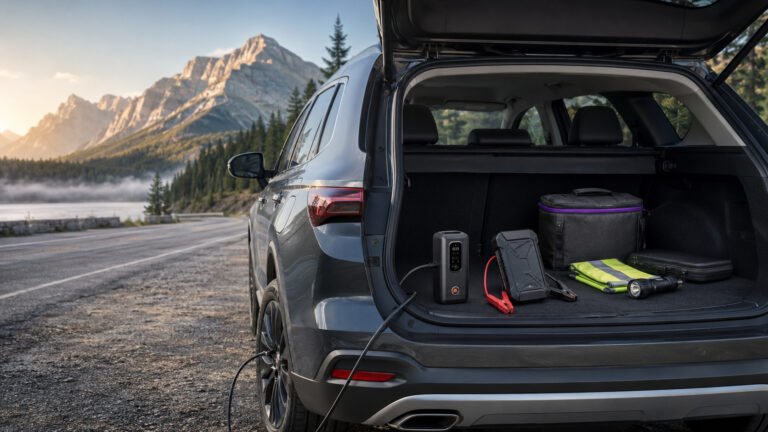
- Keep a Portable Jump Starter in Your Glovebox: Modern lithium battery jump starters hold a charge for months and deliver high-amp boosts without needing a donor car.
- Clean Battery Terminals Annually: Scrub terminal connections with a brush and baking soda solution to remove corrosion.
- Avoid Short Trips: Frequent trips under 10 minutes don’t give your vehicle’s alternator enough time to fully replenish energy used during starting.
- Use a Smart Trickle Charger: If storing a vehicle for winter or driving infrequently, connect a smart maintenance charger to preserve battery chemistry.
Shop 1Auto.club: Shield your vehicle’s electrical components and cabin gear using our full lineup of Auto Electrical Accessories & Roadside Prep Equipment.
Car Battery Health Summary & Checklist
Before taking long road trips or entering severe seasonal weather, perform this quick battery check:
- [ ] Inspect terminals for white or green corrosion powder.
- [ ] Check the manufacture date code on top of the battery case.
- [ ] Verify that headlights don’t dim when idling.
- [ ] Listen for slow or strained engine cranking during morning starts.
- [ ] Keep a portable battery booster charged and stored inside your vehicle.
Taking a proactive approach to battery maintenance ensures you stay on the road without unexpected delays or towing expenses.